
Georgia, private property
A Dead Bird in Georgia: Who Handles It
Georgia DNR says to avoid handling dead birds. If you must dispose of one, it says to wear disposable gloves or use an inverted plastic bag, and that it is generally best to bury it at a depth where it cannot be dug up. DNR asks for reports of some dead birds, including any bird of prey and multiple vultures, crows, waterfowl or shorebirds in one place. Most wild birds are protected by Georgia's bird statute and by federal law, and we found no source that says whether a business may remove a dead native bird for pay, so this page promises no removal service.
How do I get rid of a dead bird in Georgia?
Georgia DNR says to avoid handling dead birds. If you must dispose of one, it says to wear disposable gloves or use an inverted plastic bag, and that it is generally best to bury it at a depth where it cannot be dug up. For a dead protected species such as a bald eagle, DNR asks for a call to 1-800-366-2661 or (478) 994-1438. More on disposal is in how to dispose of a dead animal.
Source: Georgia DNR Wildlife Resources, Avian Influenza FAQ, checked 2026-10-01.
For a report or a question about a dead bird: Georgia DNR, 1-800-366-2661. We found no DNR page saying DNR collects dead birds.
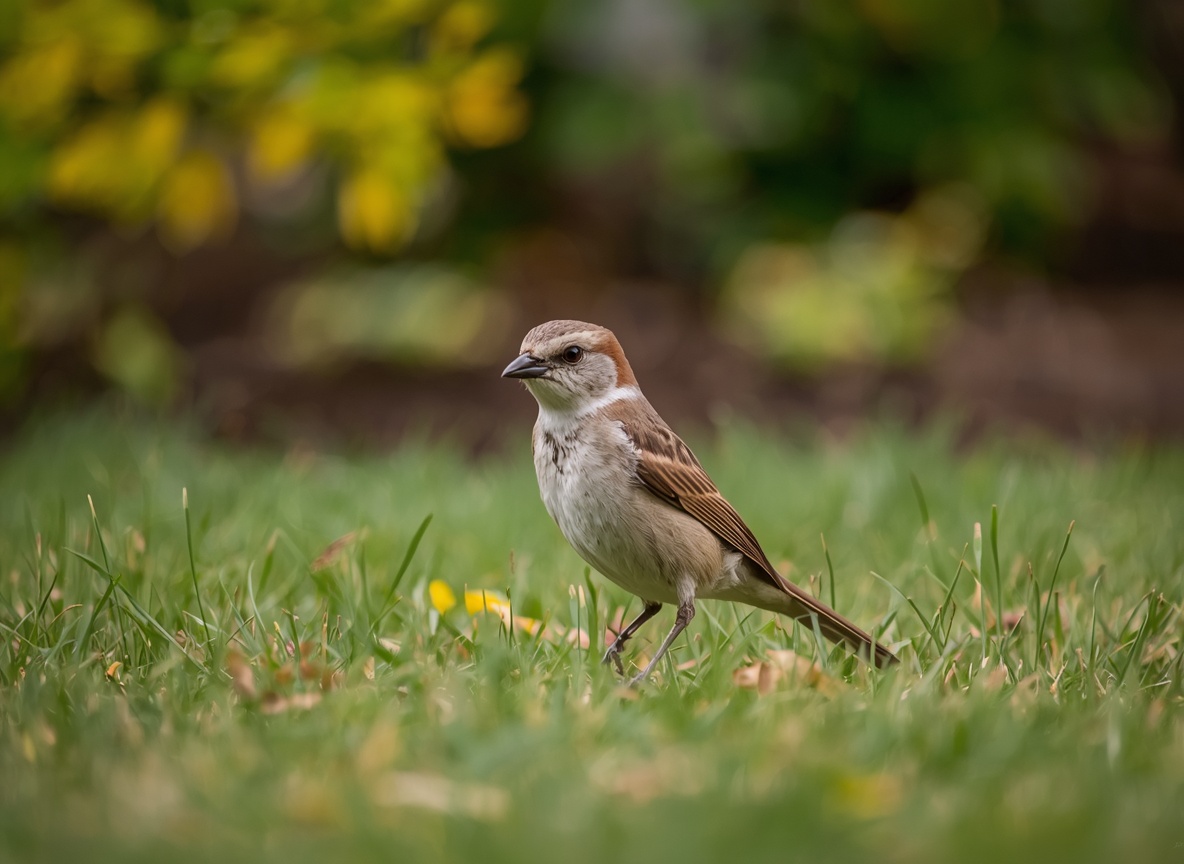
Before you handle it. This page promises no bird removal. Check whether DNR wants the bird reported. DNR asks the public to report multiple dead vultures, crows, waterfowl (ducks and geese), waterbirds such as herons and egrets, or shorebirds such as gulls and terns seen at a single site, and any individual dead or sick bird of prey: eagles, hawks, falcons, owls and osprey. DNR asks people to observe these only from a distance. For multiple dead songbirds, DNR says to call 1-800-366-2661 or a local DNR office instead of using its online form. Poultry are livestock under Georgia's Dead Animal Disposal Act, so the owner disposes of them under that Act; for possible bird flu, the Georgia Department of Agriculture's AI Hotline is (770) 766-6850.
What this covers
- Whether a dead bird is one DNR asks the public to report
- Whether the bird is a feral pigeon, house sparrow or European starling, the three wild birds Georgia's bird statute names as exceptions
- Multiple dead birds in one place, which DNR asks the public to report for some species
- DNR's own steps for disposing of a single dead bird
Where the limit is
We found no source that says whether a business may remove dead native birds for pay. Federal rule 50 CFR 21.16 lets any person salvage migratory birds found dead, but it is not intended for individuals actively searching for dead birds, and additional permits may be required. Salvaged birds must be disposed of within 7 calendar days, personal use is not authorized, and if five or more birds are found dead the salvager must first notify the U.S. Fish and Wildlife Service Office of Law Enforcement. Anyone who salvages an eagle must immediately contact the National Eagle Repository, or turn it in to a federal, tribal or state wildlife agency. Georgia's bird statute bars possessing most wild birds except as the game and fish laws otherwise permit. This page therefore promises no bird removal service. Birds of prey and sick wild birds are DNR matters; sick domestic birds go to the Department of Agriculture's AI Hotline, (770) 766-6850.
What Georgia and federal law say. Georgia's bird statute, O.C.G.A. 27-3-22, makes it unlawful to possess or transport any hawk, eagle, owl or other bird, or any part of one, except English or European house sparrows, European starlings, feral pigeons and domestic fowl, and except as the game and fish laws otherwise permit. The federal list of birds protected by the Migratory Bird Treaty Act includes American crows, black and turkey vultures, Canada geese and barred owls.
What to do
- Check the reporting list above. If the bird is on that list, DNR asks for a report and asks people to observe it only from a distance.
- Georgia DNR says to avoid handling dead birds. If you must dispose of one, it says to wear disposable gloves or use an inverted plastic bag, and that it is generally best to bury it at a depth where it cannot be dug up.
- This site promises no bird removal. For a report or a question about a dead bird, DNR's line is 1-800-366-2661. We found no DNR page saying DNR collects dead birds.
Questions about this animal
Do I have to report a dead bird in Georgia?
DNR words it as a request. It asks for reports of multiple dead vultures, crows, waterfowl, waterbirds or shorebirds at one site, and of any single dead or sick bird of prey. One ordinary dead songbird is not on that list. For multiple dead songbirds, DNR says to call 1-800-366-2661 or a local DNR office. Federal rule 50 CFR 21.16 lets any person salvage migratory birds found dead, but it is not intended for individuals actively searching for dead birds, and additional permits may be required. Salvaged birds must be disposed of within 7 calendar days, personal use is not authorized, and if five or more birds are found dead the salvager must first notify the U.S. Fish and Wildlife Service Office of Law Enforcement.
Can I put a dead bird in the trash in Georgia?
Georgia DNR says to avoid handling dead birds. If you must dispose of one, it says to wear disposable gloves or use an inverted plastic bag, and that it is generally best to bury it at a depth where it cannot be dug up. We found no EPD or DNR text that bans a small dead animal from household garbage, but the DNR page we read recommends burial, and haulers set their own terms.
Are pigeons and starlings protected in Georgia?
Georgia's bird statute names house sparrows, European starlings, feral pigeons and domestic fowl as exceptions, and the house sparrow, European starling and rock pigeon do not appear on the federal list of birds protected by the Migratory Bird Treaty Act. Common yard birds such as the American robin, northern mockingbird, Carolina wren and mourning dove are on that federal list.
What should I do about a dead hawk, owl or eagle?
Leave it and report it. DNR asks for reports of any individual dead or sick bird of prey and asks people not to handle wild birds found dead. For a dead bald eagle or other protected species, DNR's FAQ gives 1-800-366-2661 or (478) 994-1438. This site promises no service for birds of prey.
Who handles dead chickens or other poultry?
Poultry are livestock under Georgia's Dead Animal Disposal Act, so the owner disposes of them under that Act. For possible bird flu, the Georgia Department of Agriculture's avian influenza page says to call its AI Hotline, (770) 766-6850, about domestic birds.
Where it was found
Not sure who is responsible? Who picks it up · How to dispose of it · Dead deer in the yard · Georgia dead animal laws
By area: Atlanta · Gwinnett County · Cobb County · DeKalb County · North Fulton · Cherokee County · Forsyth County · Henry County · Augusta · Columbus · Macon · Athens