
Private property
Animals and situations
By animal
The six animals, one page each
Several of these six bring their own question before the carcass is disposed of: Georgia's deer carcass disposal rule, which has applied statewide since June 25, 2025; the Department of Public Health naming raccoons, skunks and foxes as the rabies vector species most often infected in Georgia; and the federal and state protection that covers most wild birds.
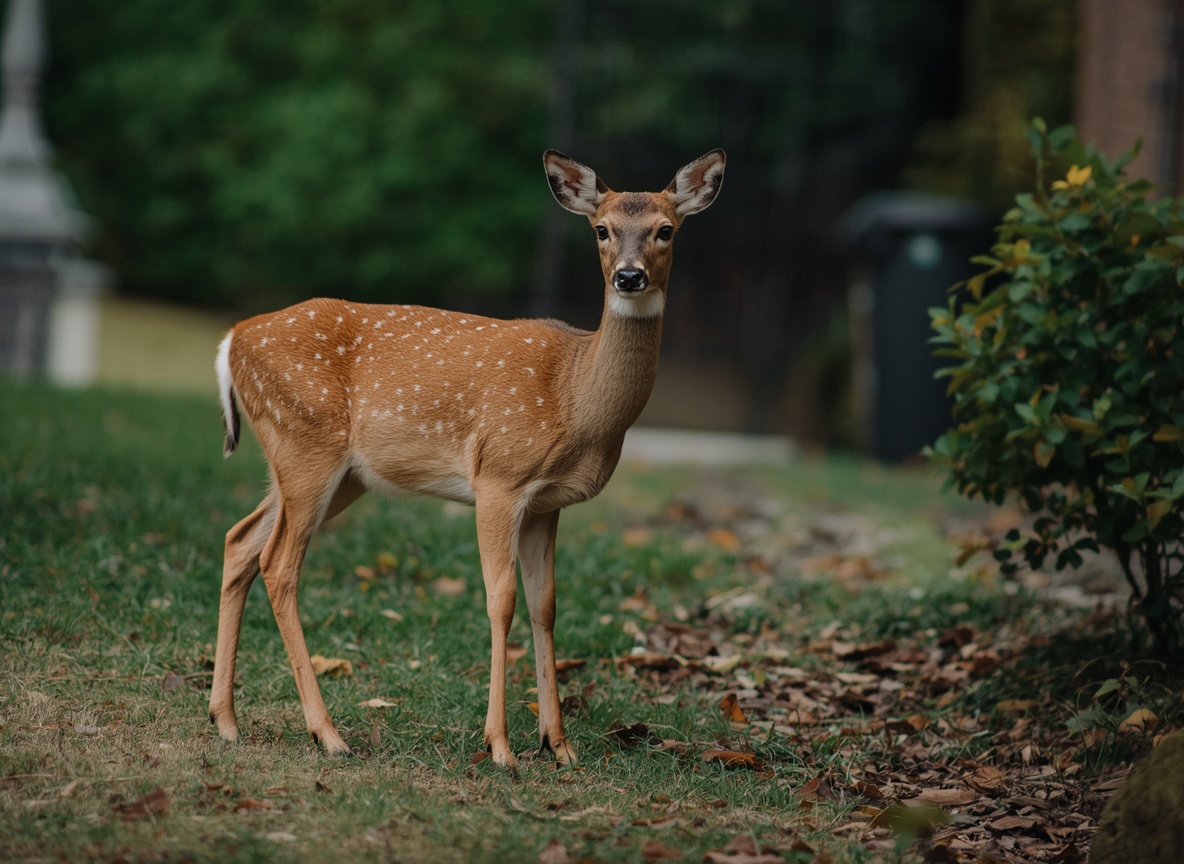
Dead deer
Since June 2025 a statewide rule has limited where and how a deer carcass may be disposed of. Henry County DOT takes deer from county-road rights of way, and Cherokee Public Works takes a deer 'in roadway or impeding traffic'; we found no current public service that collects one from a yard.
What this involves →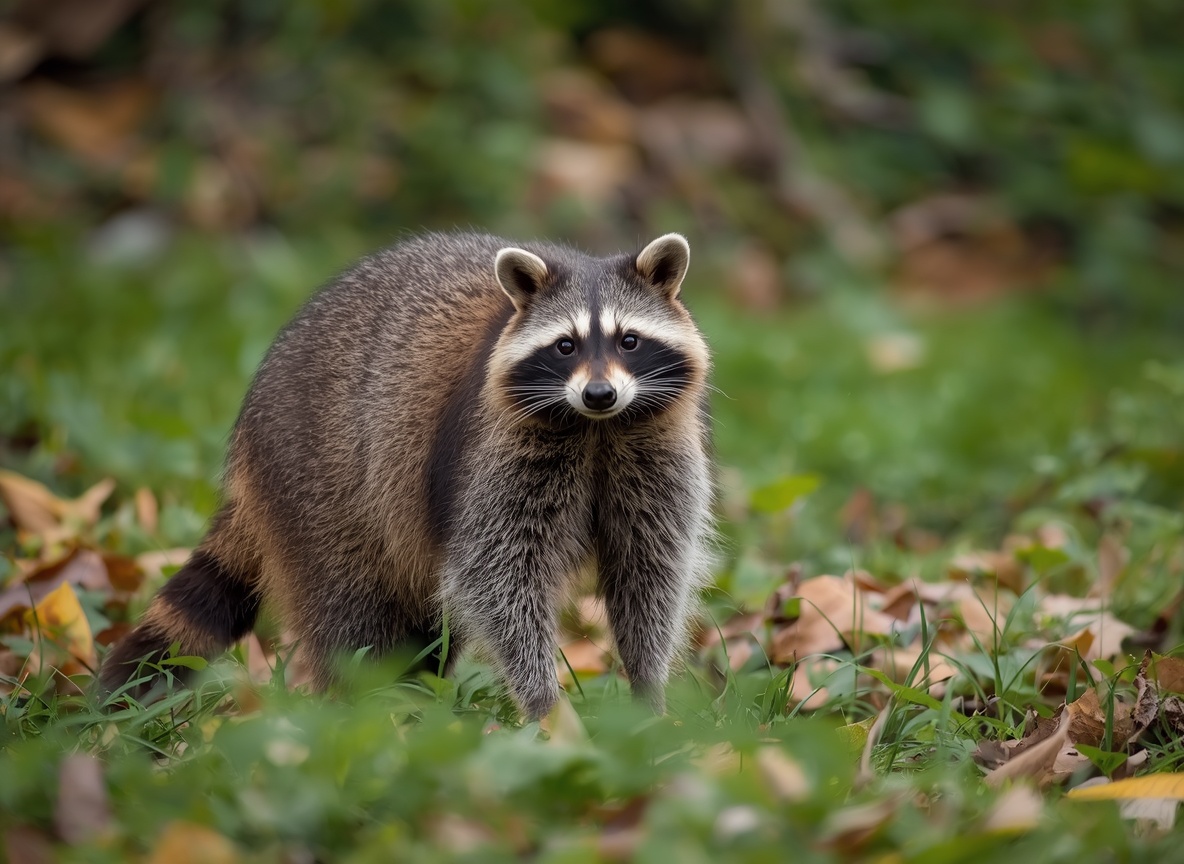
Dead raccoon
DPH names raccoons, skunks and foxes as the land wildlife most often infected with rabies in Georgia. The local services we found collect raccoons only from streets, rights of way or public property, or at the curb once you carry one there.
What this involves →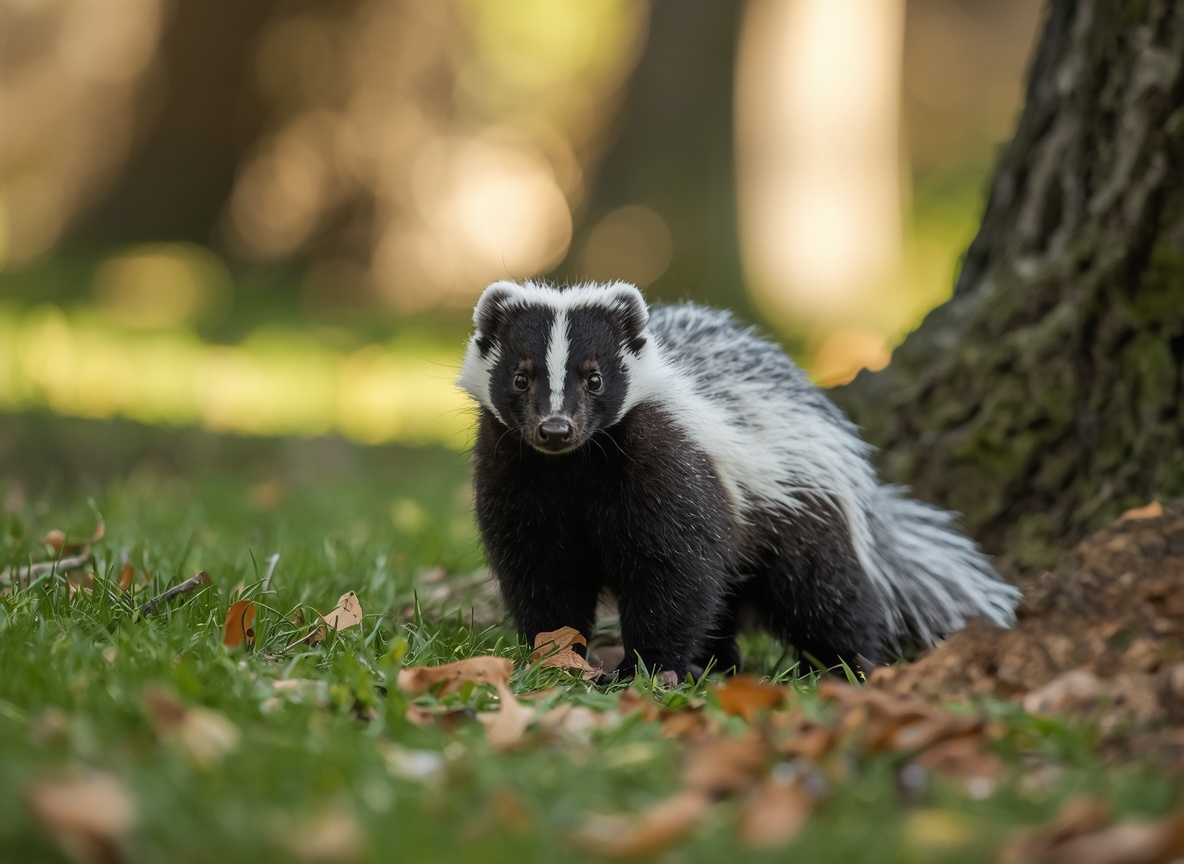
Dead skunk
DPH lists skunks with raccoons and foxes as the land wildlife most often infected with rabies in Georgia. Some road crews collect roadkill; we found no current public service that collects one from a yard.
What this involves →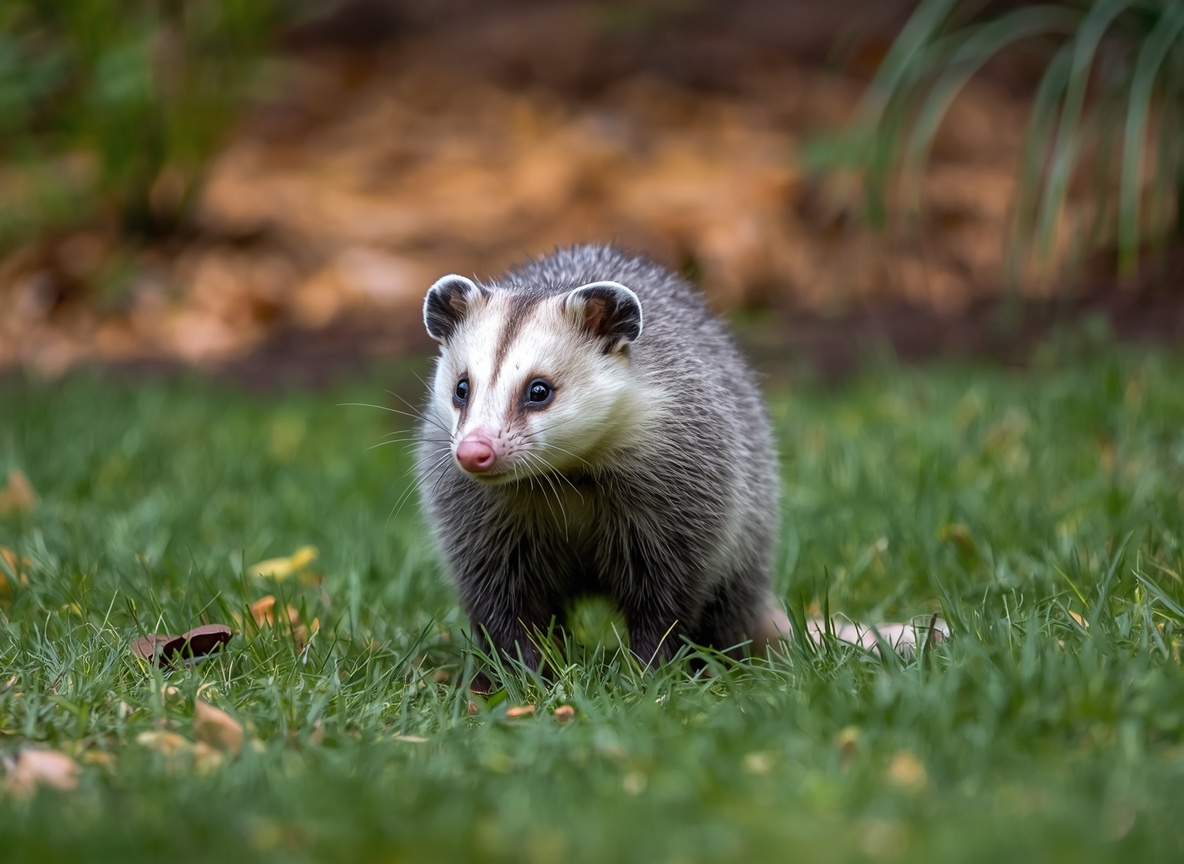
Dead opossum
DPH says opossum bites are generally not considered a rabies risk. Henry County's request page names the possum among small wildlife it does not remove, though its code (3-4-8) makes dead animals in county-road rights of way a county duty (both read 2026-10-01).
What this involves →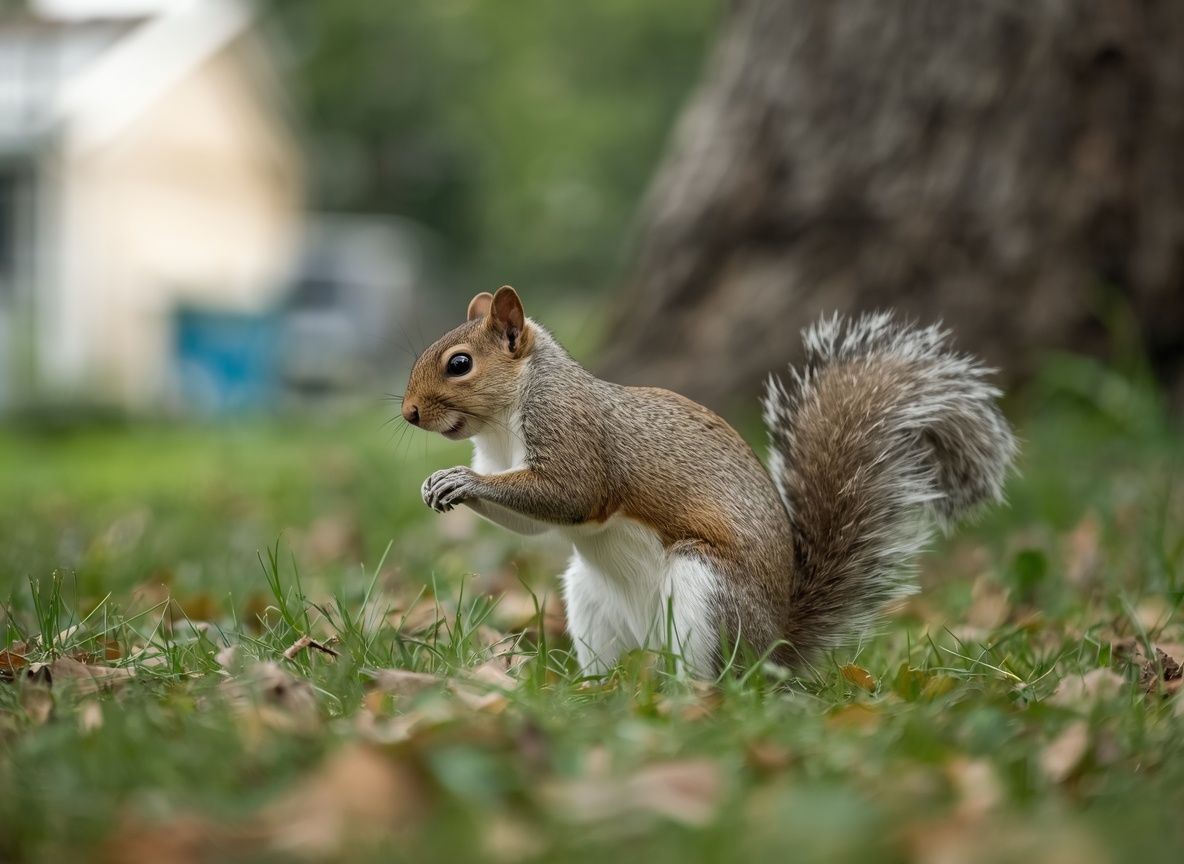
Dead squirrel
DPH says squirrels are almost never infected with rabies. Henry County's request page names squirrels among small wildlife it does not remove, though its code (3-4-8) makes dead animals in county-road rights of way a county duty (both read 2026-10-01).
What this involves →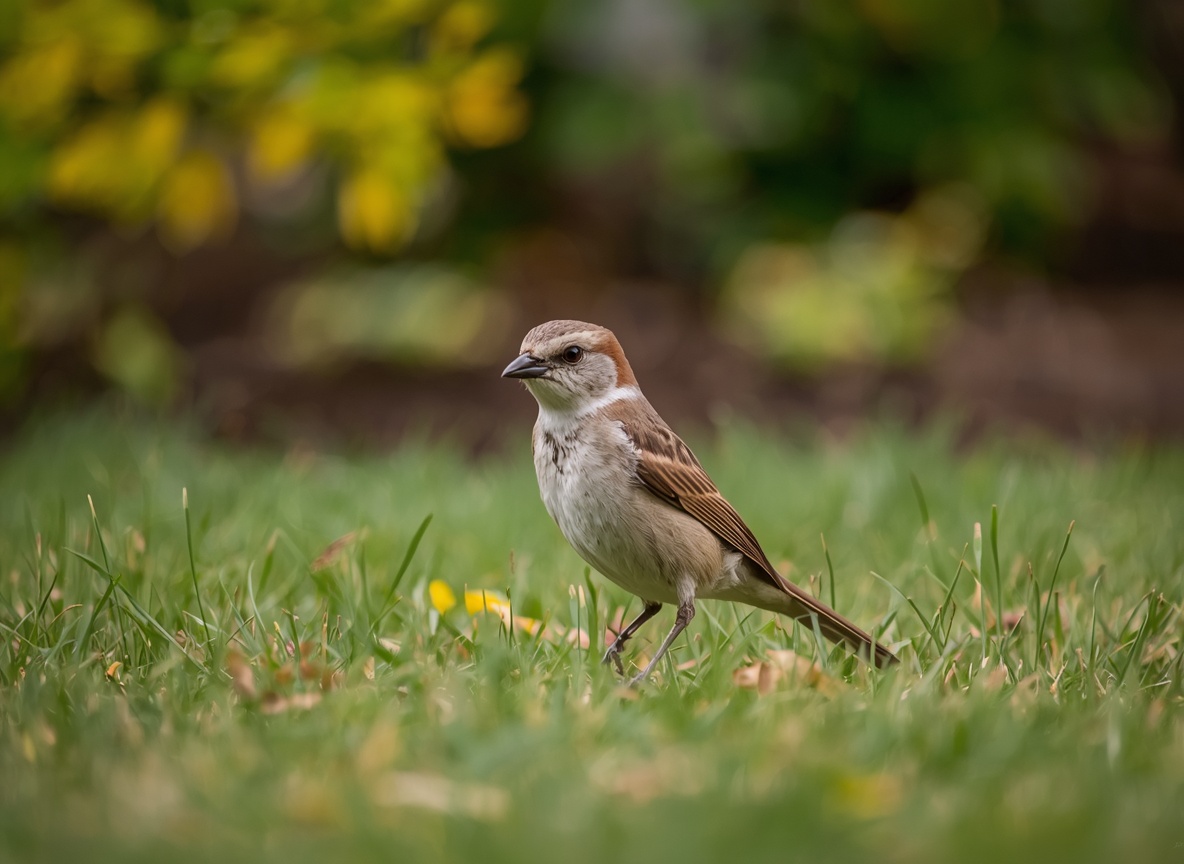
Dead bird
Most wild birds are protected by Georgia and federal law. DNR gives homeowners steps for one dead bird and asks for reports of certain others.
What this involves →By situation
3 situations, grouped by how the animal is reached rather than by what it is. Each one covers carcasses that can be reached without cutting a finished wall, ceiling or floor, which is the line this site routes to.
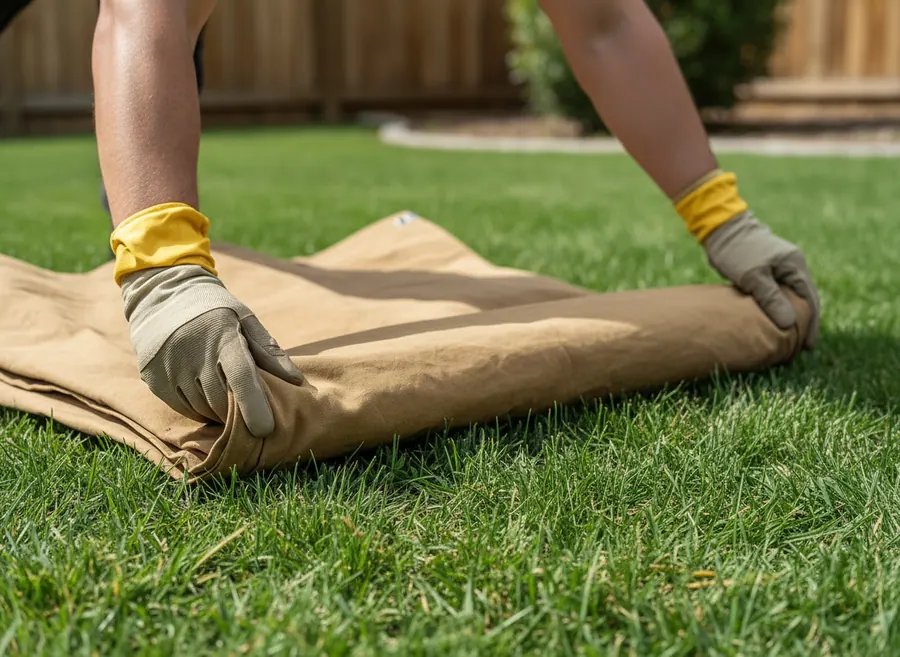
In the yard
No current state or local service we found collects a dead wild animal from a yard. Atlanta collects at the curb once you carry it there, and Athens-Clarke's pickup page asks the same, though its FAQ 279 calls an animal off the street or right of way the resident's responsibility and FAQ 142 points private property to a wildlife removal company or the landfill. From private property, Gwinnett takes only small carcasses, bagged and set roadside.
What this involves →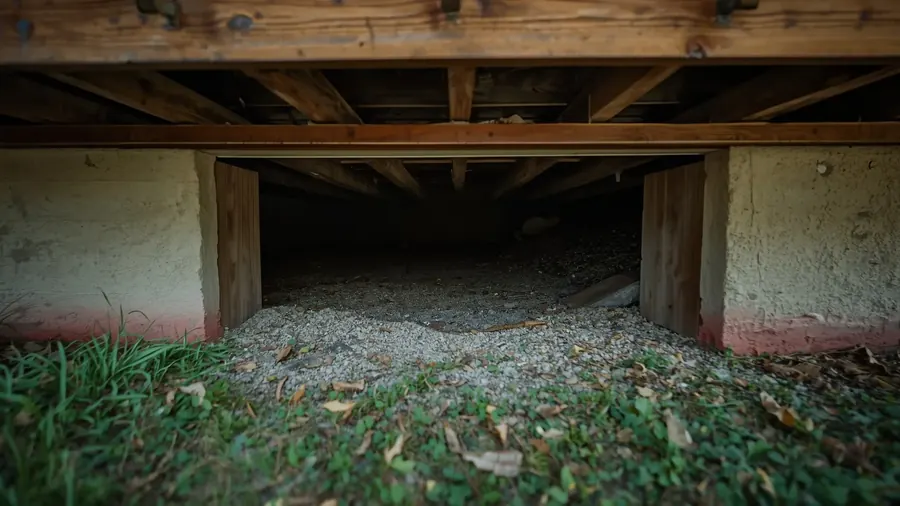
Under a deck or crawl space
No current public service we found goes under a structure. Calls here are for carcasses reachable through an existing opening, with no cutting.
What this involves →Attic or garage
No current public service we found removes a carcass from inside a home. Calls here are for attics and garages reachable without cutting anything.
What this involves →The species and situation images are stock or AI-generated images showing conditions typical of this work, not photographs of jobs carried out by this site or any operator.
Animal pages and situation pages. The animal pages cover what the species changes in Georgia, from the deer disposal rule to the Department of Public Health's rabies advice and the bird rules. Whether there is a paid job at all still turns on where the animal is lying, and the situation pages work through that by access. Live animals are a separate job: Georgia DNR's Nuisance Wildlife Control Operator permit covers live nuisance wildlife, and this site does not route live-animal work.